Galveston Metal Roofing is a free referral service. We connect callers with independent local roofing professionals. A metal roof is one of the strongest answers to island weather: panels that shrug off salt air, seams locked against wind-driven rain, and a surface that reflects Gulf sun instead of soaking it up. Galveston homeowners call when a shingle roof is curling and shedding granules, when a storm has torn at the edges one season too many, or when a beach house needs a roof built for the coast from the start. Call, describe your roof, and we connect you with a local professional who can measure it, explain the options in plain terms, and give you a clear next step.
Salt air eating your current roof?Rust streaks, failing fasteners, and curled shingles are the coast's usual first warnings.
Storm season coming around again?Locked seams and proper edge metal are what stand between wind-driven rain and your attic.
The short answer
What is metal roof installation, and when does it make sense here?
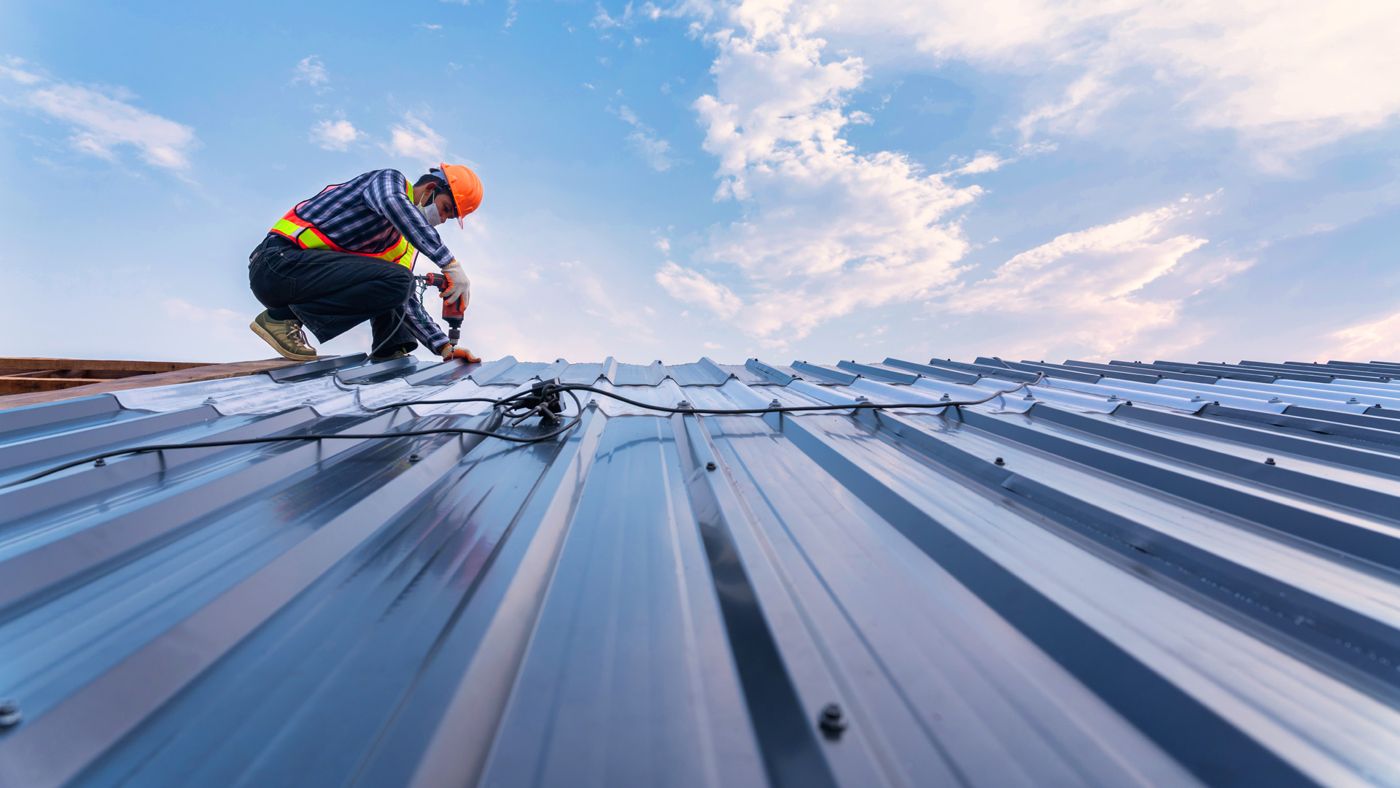
Metal roof installation means fitting a roof system of interlocking or fastened metal panels — most often standing seam or corrugated profiles in galvalume, aluminum, or painted steel — over a prepared deck, with underlayment, flashing, and trim designed to work as one weather-tight whole. It is not simply swapping one surface for another. Done properly, the job starts with the deck itself, because panels faithfully follow whatever they are fixed to: a soft or uneven deck shows through in the finished roof and shortens its life. On Galveston Island, where a roof is a home's first line of defense against salt spray, tropical rain, and hurricane-season wind, that preparation matters more than it does inland.
Most calls begin with an existing roof that is giving up. Shingles that have curled through too many Gulf summers, granules washing into the gutters, a ceiling stain that returns every storm season, or an older metal roof with rusting fasteners — each points a homeowner toward a different conversation. A first-time metal roof on a sound deck follows the path described under metal roof installation, while a failing roof that needs to come off and be rebuilt is the territory of metal roof replacement. Working out which situation you are in takes about a minute on the first call.
When you call, expect questions about the roof you have now — its material, its rough age, and what it has been doing — not a sales script. From there, we connect you with an independent local roofing professional. Your provider measures the roof, looks at the deck and the details around chimneys and vents, and talks through panel profiles, metals, and finishes that suit your home's exposure to the water. Any decision about going ahead is made with that information in hand, directly with your provider. Nothing is installed, ordered, or agreed to on the first call.
Services
Roofing services you can be connected with in Galveston
Metal is the focus here, but a roof is a whole system. These are the services Galveston homeowners, landlords, and beach-house owners most often ask to be connected with — from a brand-new standing seam roof to the urgent repair that cannot wait out another storm.
Metal Roof Installation
The core service: a complete metal roof system fitted over a checked and prepared deck — underlayment chosen for coastal weather, panels cut and locked to your roof's exact dimensions, and every flashing point, penetration, and edge finished to shed wind-driven rain. A full metal roof installation is the right conversation when you are building, re-roofing a home that will stay in the family, or simply done with patching an aging shingle roof every storm season. The visit covers profiles, metals, and finishes honestly, including where a simpler roof might serve you just as well.
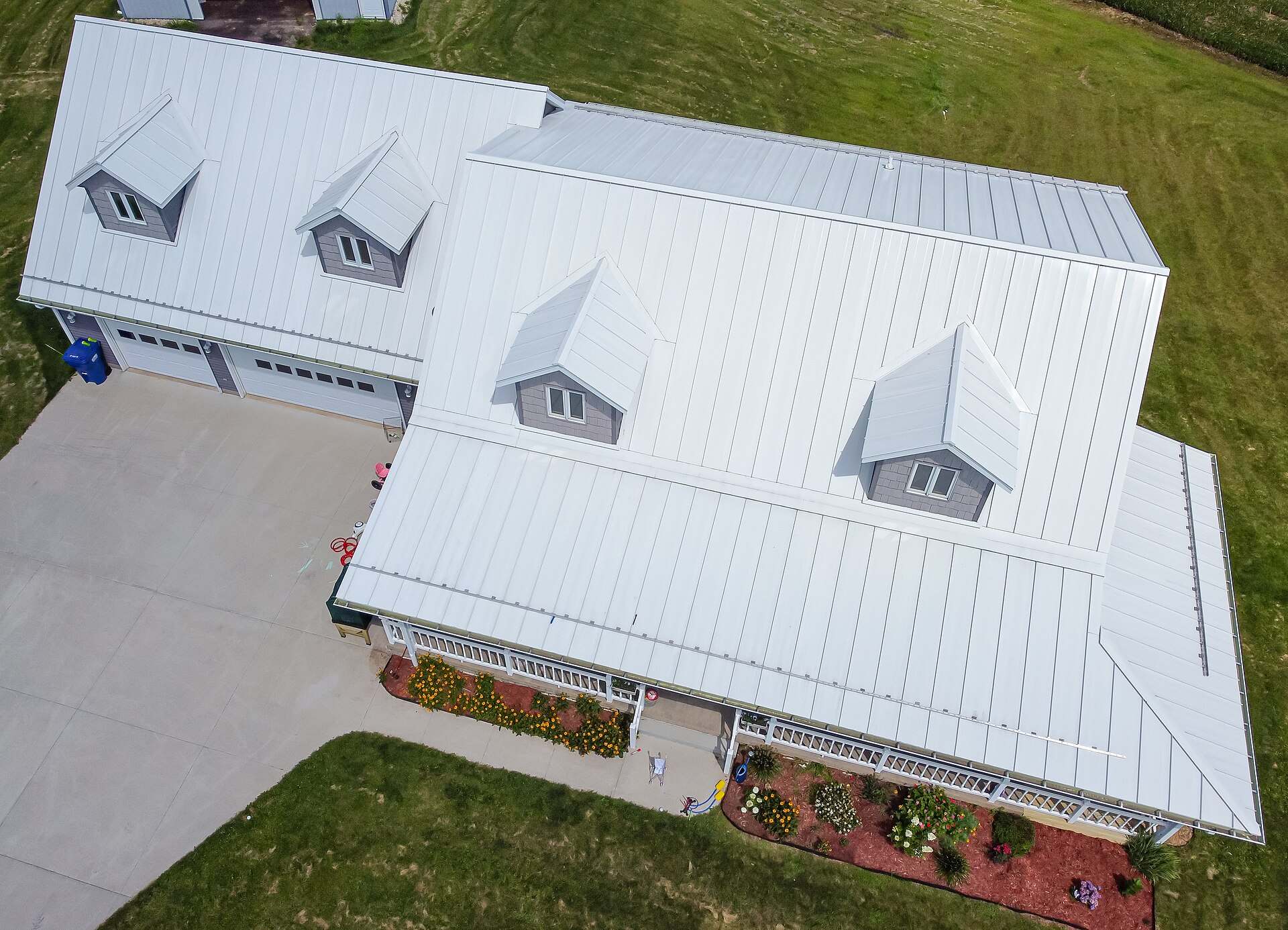
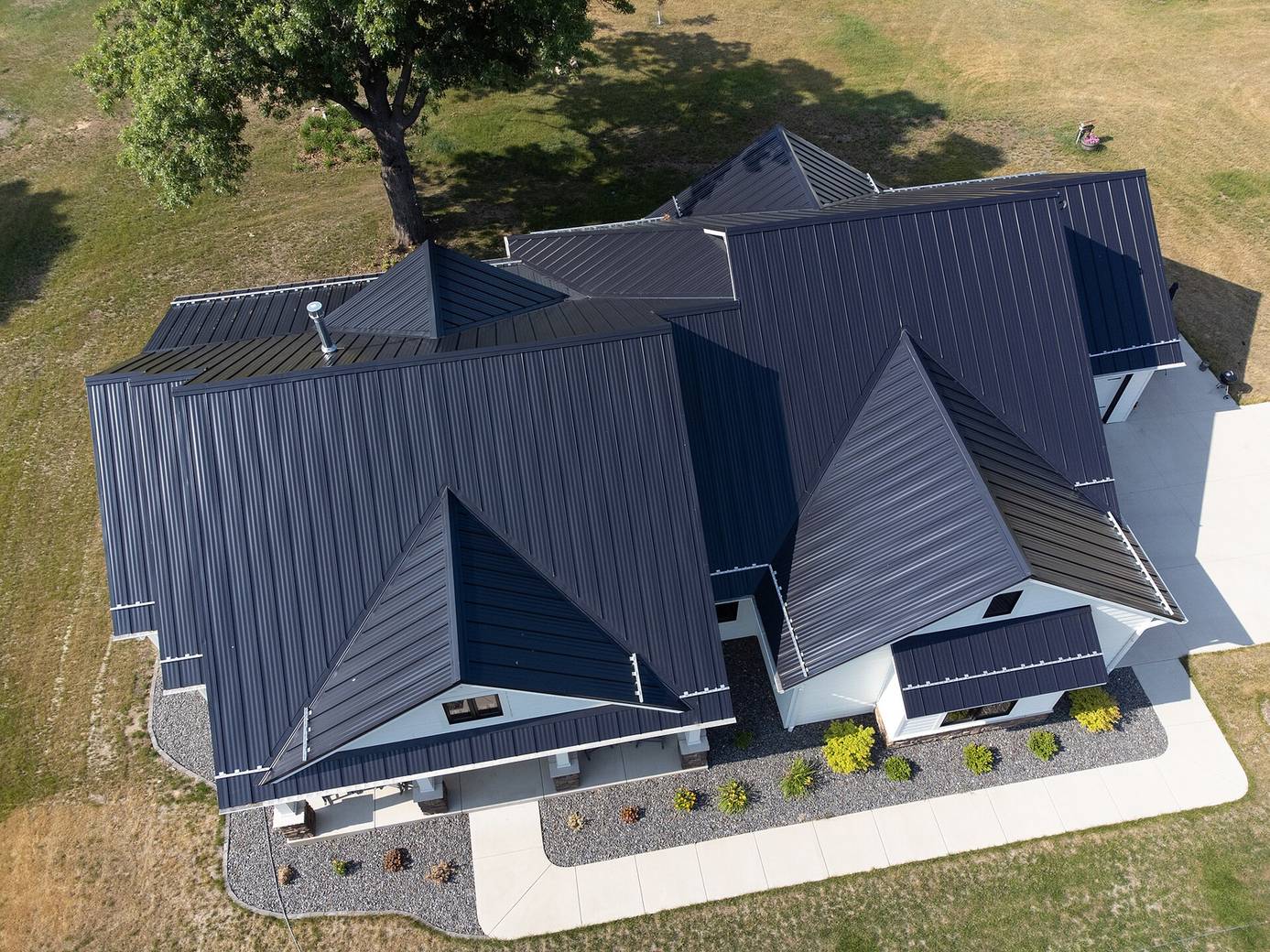
Standing seam is the profile coastal homeowners ask about most: raised seams that snap or lock together above the panel surface, with clips and fasteners hidden from the weather. A standing seam metal roof sheds driving rain cleanly and lets long panels expand and contract with the heat without working their fixings loose.
When the existing roof is too far gone to build on — soft decking, storm-torn sections, rusted-through panels — the honest job is a full replacement. Metal roof replacement means the old roof comes off, the deck is inspected and repaired, and the new metal system goes on over a sound base.
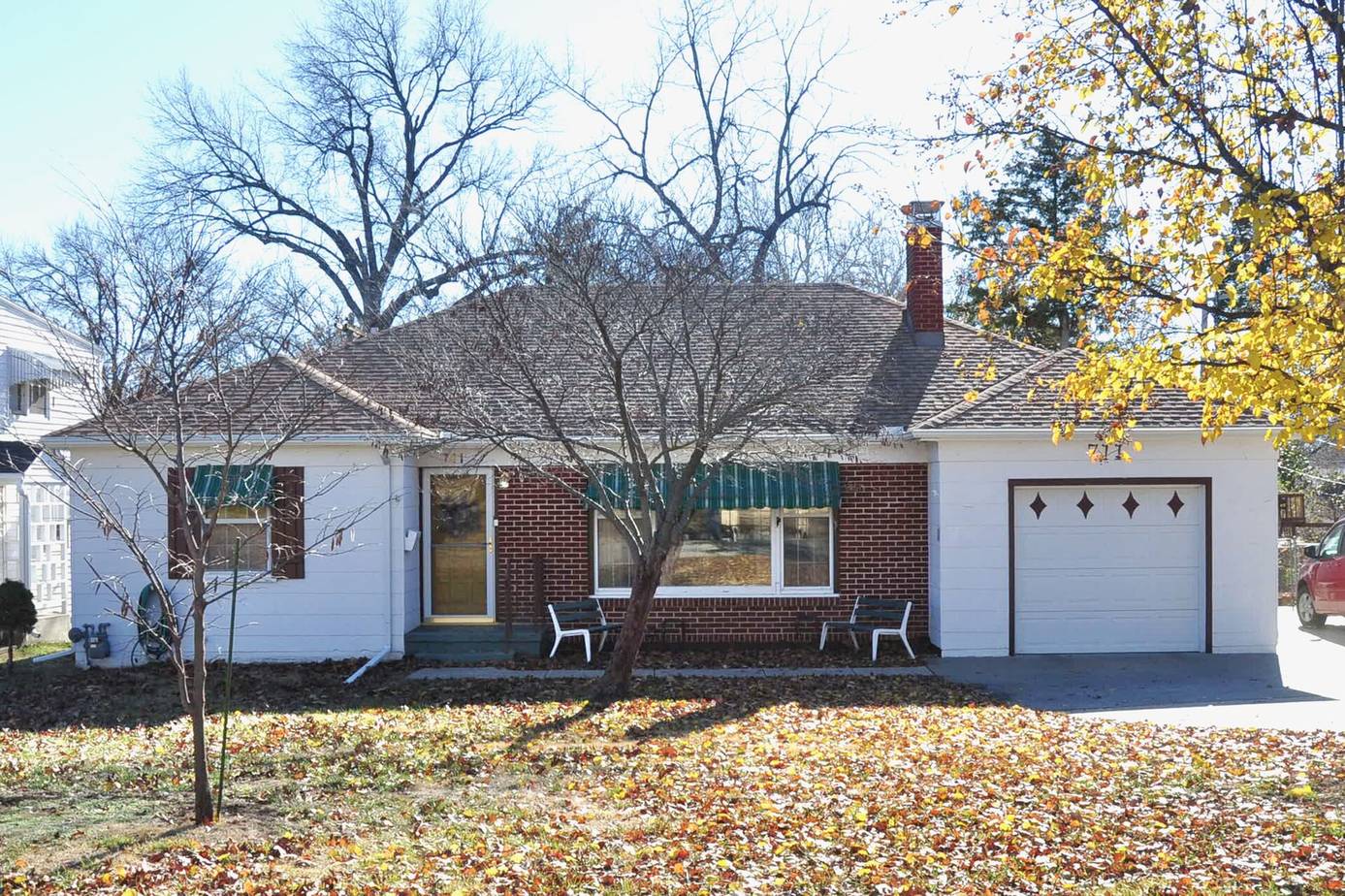
Not every Galveston roof needs to become metal. When a shingle roof reaches the end of its life, a like-for-like shingle roof replacement with modern architectural shingles can be the sensible route — your provider can compare both paths for your home and budget.
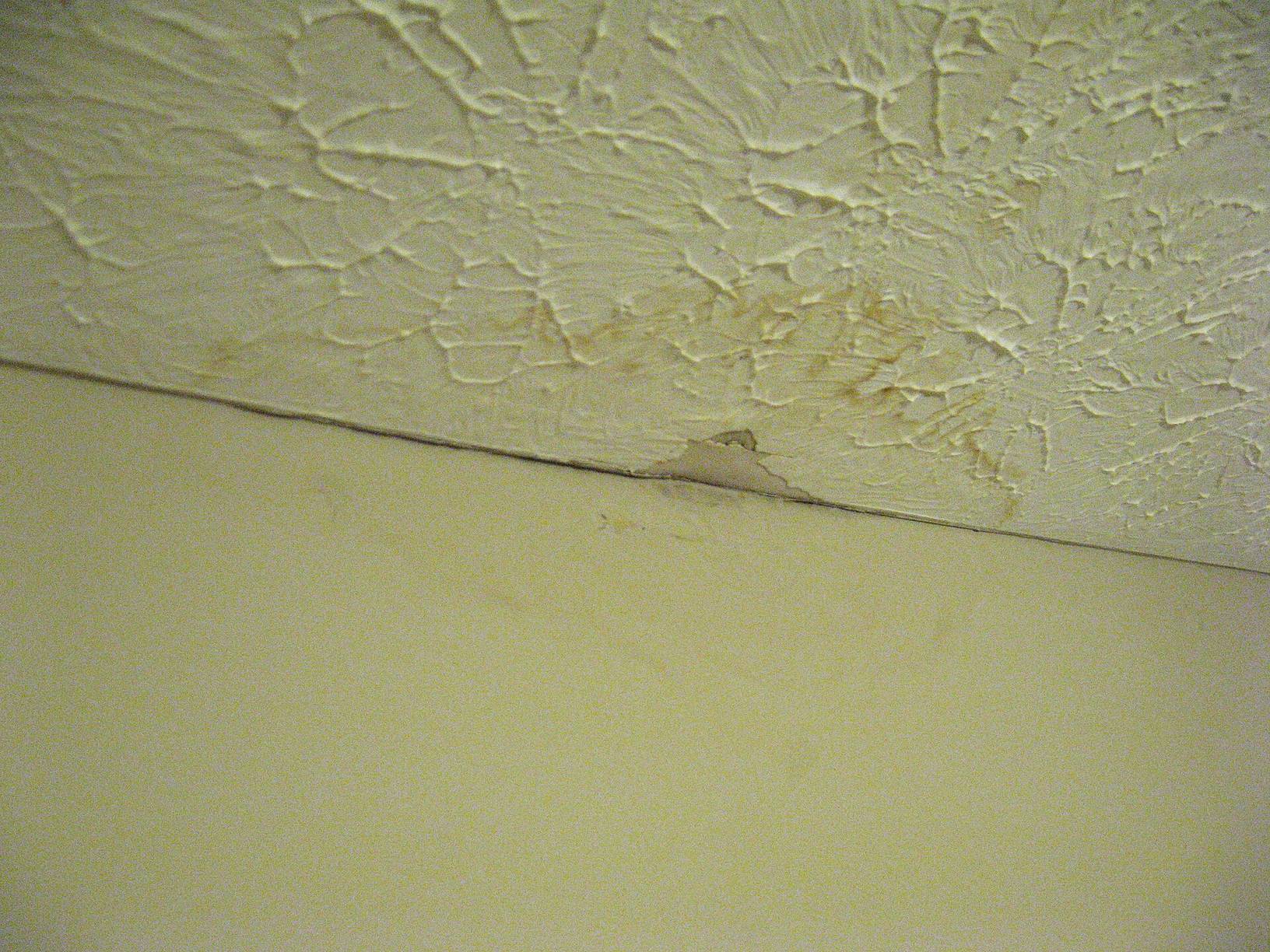
A stain spreading across a ceiling means water has already crossed the roof, the decking, and the attic — and the entry point is rarely straight above the mark. Roof leak repair starts by tracing the water back to where it gets in — a flashing gap, a failed fastener, a cracked seal at a vent — and fixing the source rather than painting over the symptom. On metal roofs the culprits are usually details, not panels: seams, screws, and transitions that have aged in the salt air.
A panel lifted by overnight wind, a limb through the roof, water coming through the ceiling while the rain is still falling — some calls cannot wait for a quiet week. Emergency roof repair help is one call away, day or night, when a Galveston roof needs urgent attention.
Island roofs rarely fail all at once — they send warnings first, usually after a storm or during the height of summer. If two or more of these sound familiar, it is worth talking through a metal roof installation before the next one arrives.
Missing shingles or lifted panels
Pieces in the yard after a windy night, or edges you can see lifting from the street. Every storm that gets under a loose edge moves more water than the one before it.
Rust streaks and failing fasteners
Orange staining bleeding from screw heads or seams on an older metal roof, or granule grit piling up at downspouts from shingles. Salt air works at every exposed fixing, every day of the year.
Ceiling stains that keep returning
A ring that fades in dry weeks and darkens after every hard rain means water has a reliable path in. Patching the ceiling never fixes the path.
Curling, cracked, sun-baked shingles
Edges cupping up and corners going brittle after years of Gulf sun. Curled shingles shed water poorly and catch the wind that flat ones shrug off.
Patches on patches
A roof history of spot repairs that each lasted a season or two. When repairs stop holding, the system underneath them is usually the real story.
A roof nobody can date
If nobody knows when the roof went on or what is under it, a documented look at condition and decking replaces guesswork before you plan around it.
Any single sign can have a small cause, which is exactly why a proper look beats guessing from the ground. If water is actively coming in, a panel is off, or a limb is down on the roof, skip the deliberation and go straight to emergency roof repair. Otherwise, a conversation about what a new metal roof would involve — profiles, metals, deck condition — costs nothing but a phone call and leaves you with real information.
In-depth guide
Why roofs struggle on Galveston Island — and how metal answers
A roof in Galveston does a harder job than the same roof a hundred miles inland. The island sits in the Gulf's weather path, wrapped in salt air, and every material on the roof ages against that combination. Understanding what your roof is up against — and what a proper metal installation does about each part of it — makes the choices in front of you much clearer.
Salt air, wind, and sun: the three pressures
Salt air is the constant. It drifts inland from the surf in a fine spray, settles on every roof surface, and works at exposed metal fasteners, cut edges, and any coating that has been scratched or worn. On shingle roofs it accelerates the drying and curling of the asphalt itself; on older metal roofs it is the reason fastener heads and seam edges rust first. Distance from the water changes the dose, not the direction — even mid-island roofs live in marine air.
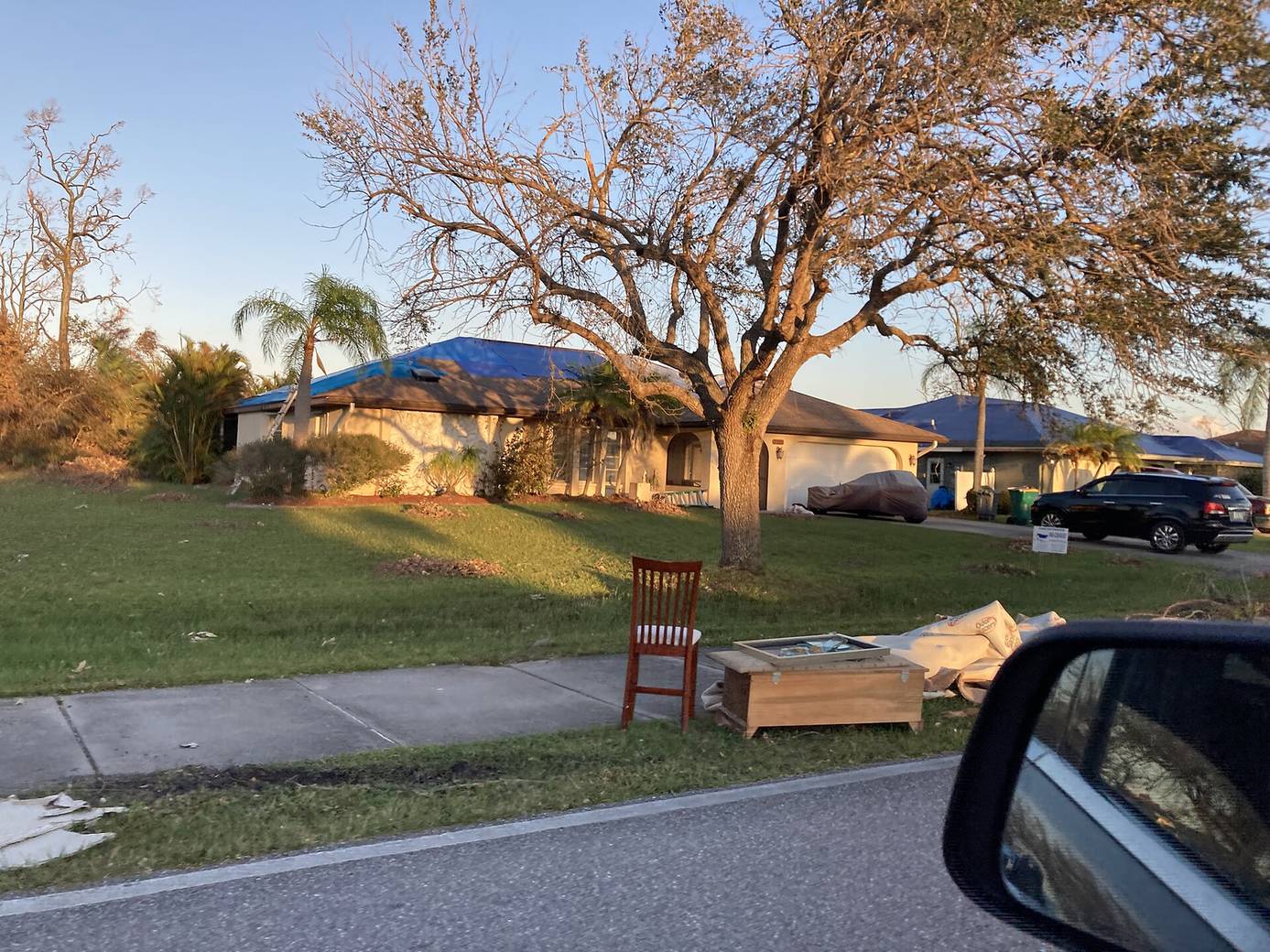
Wind is the episodic pressure, and it arrives with the whole Gulf behind it. Tropical storms and hurricanes push rain horizontally, driving it under laps, up seams, and through gaps that vertical rain never tests. The wind also works mechanically: gusts flex panels and shingles, worry at edges and ridge caps, and peel at any corner that has already lifted. Galveston's building culture remembers what a major hurricane does to roofs, and most re-roofing decisions on the island are really decisions about the next big storm.
Sun is the slow pressure. Months of intense UV and heat bake shingles brittle, fade and chalk painted finishes, and expand and contract metal panels daily — which is why fixing patterns that allow movement matter so much in metal work. A light-colored metal surface reflects a meaningful share of that heat instead of storing it, which is one reason metal roofs have become the default choice on new West End beach houses raised above the flood line.
Good to know
After any storm strong enough to move yard furniture, a slow look from the ground tells you plenty: panels or shingles out of line, debris against flashing, gutters suddenly full of grit. Note the date and what you saw — that short record genuinely helps your provider know where to look first.
How a proper metal installation actually works
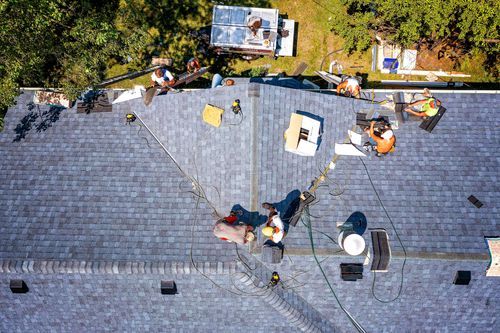
A good installation is a sequence, and each step exists because of a failure the installer has seen before:
Deck check and preparation: the existing decking is inspected for softness, rot, and uneven spans; damaged sections are repaired so the new system sits on a sound base.
Underlayment: a weather-resistant membrane goes down over the deck — a second line of defense under the panels, sealed at edges and penetrations.
Panel layout and fitting: panels are measured and cut for your roof's exact planes, valleys, and hips, then fixed with clips or fasteners in the pattern the profile requires, allowing for thermal movement.
Flashing and penetrations: chimneys, vent pipes, walls, and roof-to-wall junctions get purpose-made metal flashing, sealed and layered so water is directed out and over, never in.
Ridge, eaves, and ventilation: ridge caps and edge metal close the system at its most wind-exposed lines, and attic ventilation is checked so heat and moisture are not trapped under the new roof.
That sequence is what separates a metal roof that lasts from one that merely looks the part for a few seasons. The panels themselves are the visible layer; the deck, membrane, and details underneath decide how the roof behaves in the tenth storm, not the first photograph. For the profile most island homeowners choose, the dedicated page on standing seam metal roofing explains how those raised, locked seams change the picture at each of these steps.
What happens after installation
Once the roof is on, your provider walks the finished work with you: seams, trim, flashing, and cleanup, with any remaining questions answered directly. You should come away knowing what was installed, what metal and finish it is, and what simple upkeep it asks for — mostly keeping debris off valleys and having exposed details looked at if a major storm passes. Decisions after that are yours in the ordinary way: the roof's job is to disappear from your worries, and a properly installed metal system on a coastal home is about as close to that as roofing gets.
Watch out
Be cautious of any figure given before your roof has been measured and its deck condition assessed. Panel counts, tear-off scope, and decking repairs all change the real shape of the job, and a number offered sight unseen can move a long way once someone is actually on the roof. Your provider can discuss costs with you directly once the roof has been looked at properly.
How it works
How it works, from first call to finished roof
Four simple steps, and you stay in control of every decision that involves your home and your money.
1
Call and describe your roof
Call (409) 336-0692 and talk through what you have: the roof's material and age if you know them, the signs that prompted the call, and whether the home sits near the water or on the open West End.
2
We connect you with a local professional
Based on your situation and where on the island the home is, we match your request with an independent local roofing professional, and your provider arranges the visit and talks through what happens next.
3
Your provider measures and explains
Your provider measures the roof, checks the deck and the details around chimneys and vents, and lays out the realistic options — profiles, metals, and what each involves — in plain language.
4
You decide before any work begins
You choose whether and when to go ahead, and your provider carries out the installation you agreed on. No work begins on your roof until you have approved it with your provider.
To be clear about how this service works: Galveston Metal Roofing is a free referral service. We connect callers with independent local roofing professionals. When you call, we connect you with an independent local roofing professional — we do not install roofs ourselves. The professionals callers are connected with measure, advise, and carry out any installation you later decide to have done.
Why timing matters
Why a tired island roof rarely improves with waiting
A roof problem on the coast does not pause while you think about it. Salt air keeps working at fasteners and cut edges every single day, and each storm season re-tests every seam the last one loosened. A small rust spot at a fastener becomes a pinhole; a lifted panel edge that let in a cupful of wind-driven rain lets in a bucket once the underlayment beneath it has been wetted and dried a dozen times. The Gulf calendar keeps those tests coming, season after season.
What grows quietly is everything under the surface. Decking that stays damp softens, which loosens the very fixings the roof depends on in high wind. Water that reaches the attic wets insulation and ceilings, and on raised beach homes it can travel surprising distances along framing before it shows. A roof that might have been a planned, measured replacement in spring can become a storm-season emergency in September — the same job, on a worse timeline, with interior damage added.
None of that is a reason to rush into a decision today. It is a reason to get the information early, while the choice is still yours: have the roof measured and its condition explained, learn what a metal system suited to your exposure would involve, and then decide on your own schedule. If the news is that your current roof has honest years left, you have lost nothing but a phone call. If water is already coming in or a panel is loose ahead of a storm, do not wait — see the emergency roof repair page and call straight away.
Cost factors
What affects the cost of a metal roof installation
There is no honest single figure for this work, because the job is shaped by the roof itself and by what is found when the old surface comes off. These are the factors that shape it — providers discuss costs directly with you after measuring, when the scope is actually known.
Common cost factors
Factor
Why it matters
Roof size, pitch, and complexity
More surface area means more panels and labor, and steep or cut-up rooflines with valleys and hips take longer to fit than a simple gable.
Panel profile and metal type
Standing seam, corrugated, galvalume, aluminum, and painted finishes all sit at different material costs and suit different coastal exposures.
Whether the old roof comes off
Tear-off adds labor and disposal but lets the deck be inspected and repaired; going over an existing roof is only suitable in some situations.
Deck condition underneath
Soft or storm-damaged decking found during tear-off needs repair before panels go on, and the extent is only known once the old roof is off.
Flashing and penetration count
Chimneys, vents, skylights, and wall junctions each need custom flashing work, and older island homes often have many of them.
Height and access
Raised beach homes and tight historic lots need staging and care that a ground-level ranch roof does not, which adds time to every stage.
Because these factors combine differently on every home — a Pirates Beach stilt house and an East End Victorian are different jobs in almost every row of that table — the reliable cost conversation is the one held after measuring, with your roof's actual scope in front of you both. Ask your provider to walk through how each factor applies to your home.
Areas Covered
Neighborhoods covered across Galveston
Roof wear is not spread evenly across the island — it follows the age and style of the housing, the distance from the surf, and how open each lot is to Gulf weather. Here is how it looks in the neighborhoods where callers most often ask to be connected with a local professional.
East End Historic District
The East End holds Galveston's grandest old housing: Victorian and early-1900s homes with steep, complex rooflines, decorative details, and roofs that have been renewed in layers over a century. Metal has a long history here — many of these homes wore metal originally — and modern standing seam suits both the architecture and the weather. Read more about metal roof installation in the East End Historic District, including what complex historic rooflines ask of an installation.
The Strand
Around The Strand, historic commercial buildings, lofts, and mixed-use properties carry large, often low-slope or parapet roofs that live a different life from house roofs. Ponding water, aging seams, and salt exposure at height are the standing concerns. The page for metal roofing near The Strand covers the questions owners of these older buildings ask most.
Silk Stocking Historic District
Silk Stocking's quiet streets of historic homes sit under mature oaks a few blocks from the seawall — close enough for salt air, shaded enough for debris and damp to gather on the roof. Roofs here are a mix of aging shingle and older metal, often on homes where appearance matters as much as performance. See metal roof installation in the Silk Stocking Historic District for how shade, trees, and salt combine on these homes.
Pirates Beach
Pirates Beach is classic West End: raised beach houses on pilings, built for views and vacations, taking the full force of Gulf weather with nothing in front of them. Roofs here live the hardest life on the island — maximum salt, maximum wind, and owners who are often away when a problem starts. The guide to metal roof installation in Pirates Beach explains what stilt-house exposure means for materials and fixings.
Sea Isle
Sea Isle's canal and bay-side homes mix year-round residences with weekend houses, many raised, all within the West End's salt and wind corridor. Roofs age fast here and inspections are often prompted by a stain found on arrival for the weekend. Read about metal roof installation in Sea Isle and the checks that matter most for homes that sit empty between visits.
Everywhere else in Galveston
Live outside these five neighborhoods? Island roofs share the same salt air, storm seasons, and summer sun wherever they stand, from the mid-island avenues to the far West End. If you are seeing the signs — rust at the fasteners, curling shingles, a stain that grows — the same call is the right first step. Head to the contact page or simply call (409) 336-0692 and describe what you are noticing.
Before you call
Before you call: a quick checklist
A minute of looking before you dial makes the first conversation far more useful. None of this is required — but each item helps your provider know what to look at first.
What is on the roof now: shingles, older metal, or a mix — and roughly how old it is, if you know, including any storm repairs you remember.
What you have noticed, and where: rust streaks, lifted edges, leaks after rain, or pieces in the yard — and which slope or room is involved.
How close you are to the water: beachfront, a few blocks back, or mid-island — exposure shapes which metals and finishes make sense.
Whether the home is raised: pilings and high staging change access and planning, so it helps to say so up front.
Anything actively leaking: if water is coming in now, say so first — and note whether a bucket is under it and any ceiling looks bowed.
With those points in hand, you are ready — call (409) 336-0692, walk through them, and we can connect you with an independent local roofing professional who can take the next steps with you.
FAQ
Metal roof questions, answered
The questions Galveston homeowners ask most when a roof starts showing its age against the coast — answered plainly.
What does a metal roof installation include?
A full installation covers the whole roof system, not just the visible panels. The crew prepares and checks the roof deck, installs underlayment suited to coastal weather, fits the metal panels or shingles profile you chose, and finishes every detail where water could get in: flashing at chimneys and walls, sealed penetrations, ridge caps, eaves, and ventilation. The finished roof is checked over so seams, fasteners, and trim are all seated and sealed.
Why do so many Galveston homeowners choose metal roofing?
The island's conditions are the main reason. Salt air corrodes lesser materials, hurricane-season winds test every fastener and seam, and summer sun bakes dark shingles for months. Properly chosen metal panels — galvalume or aluminum for coastal use — handle salt spray well, shed wind-driven rain, and reflect a good share of the sun's heat. For homes near the water or on open lots, that combination is hard for aging asphalt to match.
What is the difference between standing seam and corrugated metal roofing?
Standing seam panels have raised seams that lock together above the surface, with the fasteners hidden underneath, which is why the profile is popular where wind-driven rain is common. Corrugated and exposed-fastener panels are screwed down through the panel face; they cost less to install but the exposed fastener heads need periodic checking as their washers age. Your provider can walk through which profile suits your roof's pitch, exposure, and budget.
Will salt air rust a metal roof in Galveston?
It depends on the metal and the finish. Plain galvanized steel can struggle close to the surf, which is why coastal installations usually use galvalume or aluminum panels with factory paint finishes made for marine environments. Your provider can explain which metals and coatings are appropriate for your distance from the water, and which details — like cut edges and fasteners — matter most for corrosion resistance.
Can a metal roof be installed over existing shingles?
Sometimes, but it is not automatically the right call. Going over an old roof can hide soft decking and trap problems underneath, and island homes that have seen storm repairs often have decking worth inspecting. Many Galveston installations remove the old roof so the deck can be checked and repaired first. Your provider can assess the condition of what is up there now and talk through both routes honestly.
How long does a metal roof installation take?
Timing depends on the size and complexity of the roof, whether the old roof comes off, and what the deck needs once it is exposed. A straightforward single-story home moves faster than a steep, multi-gable historic house or a raised beach home with staging challenges. Your provider can give a realistic schedule once the roof has been measured and looked at in person.
Is a metal roof noisy when it rains?
On a modern residential installation, usually not noticeably. Panels are fitted over solid decking and underlayment, which deadens the sound that people associate with rain on a barn roof. Most homeowners report that a metal roof over a framed, insulated house sounds much like any other roof during a Gulf downpour.
How does a metal roof hold up in hurricane-season winds?
Wind performance comes from the whole system: panel profile, seam or fastener pattern, edge metal, and how the roof is attached at eaves and ridges. Interlocking standing seam systems are widely chosen in coastal areas because the panels lock together and the clips allow movement without loosening. Exact figures vary by product and installation, so ask your provider what the system proposed for your home is designed and tested to handle.
Will insurance cover windstorm damage to my roof?
Coastal homeowners ask this often, and coverage varies a great deal from policy to policy — along the Texas coast, windstorm cover may sit in a separate policy or endorsement with its own deductible and conditions. The reliable answer is in your own documents, so check them or call your insurer directly and ask how wind and hail damage to a roof is handled under your policy.
Can I get connected with help in my neighborhood?
Yes — we connect callers with independent local roofing professionals across Galveston Island, including the East End Historic District, The Strand, the Silk Stocking Historic District, Pirates Beach, and Sea Isle, and neighborhoods beyond those as well. Call (409) 336-0692, describe your roof and what you are seeing, and we can connect you with a local professional.
Built for the coast
Thinking about a metal roof? Start with a straight answer.
Salt at the fasteners, shingles curling in the sun, a roof that worries you every storm season — those questions are easy to settle with a proper measure and an honest conversation. Call now, describe your roof, and we will connect you with an independent local roofing professional.